 Back
Back

Automatically translated version. May contain inaccuracies compared to the original.
🚨 Fraudulent “dispatch” operation run straight from a pretrial detention center: a gang that profited off BlaBlaCar passengers during the war has been exposed
📅 14 September 2026 the Zarechnyi District Court of Sumy concluded a high-profile case against an organized crime group that deceived dozens of Ukrainians.
This was reported by the Telegram channel “Sudom po skhemakh” citing case No. 591/3237/23.
👥 Defendants in the case (the accused):
▪️ Petrov Maksym Ihorovych
▪️ Nekras Danylo Serhiyovych
▪️ Lysenko Vladyslav Oleksandrovych
According to the case materials, the group’s leaders organized their “business” without even leaving custody — they ran the fraud scheme directly from the cells of the Sumy pretrial detention center (SIZO).
📱 How did the scheme work?
The criminals exploited Ukrainians’ vulnerable situation during the war: the need to evacuate from dangerous regions, travel abroad, and the frequent movements of Armed Forces of Ukraine servicemen.
1️⃣ Accomplices on the outside created dozens of fake listings on the BlaBlaCar passenger service.
2️⃣ When a client booked a trip, the organizers in the detention center took over. They called the victim, presenting themselves convincingly as a “service dispatcher” or the “driver.”
3️⃣ To receive the so-called “electronic ticket,” passengers were instructed to transfer funds to the bank cards of “drops” or to top up mobile phone numbers.
4️⃣ The most cynical stage: after the first payment the fraudsters called back and said the payment went through “incorrectly” (for example, with a commission) and needed to be repeated so the money could be returned.
5️⃣ Exploiting people’s lack of knowledge, the criminals dictated a “transaction code” that victims entered into the “transfer amount” field in Privat24 or monobank. As a result, large sums were withdrawn from the accounts.
💸 Striking losses
People transferred to the scammers from several thousand to tens of thousands of hryvnias at a time. The largest documented episode — a man who tried to travel from Ternopil to Dnipro — made a series of transfers at the dictation of the “dispatcher” and lost nearly 45 000 hryvnias.
⚖️ What sentence did the court hand down?
In court the main organizers fully admitted their guilt, expressed remorse, and fully compensated all material damages to the victims.
🛑 One of the co-organizers, taking into account a serious illness (hepatitis C), and the fact that he transferred 134 000 hryvnias from his bail to the needs of the Armed Forces of Ukraine, received a somewhat lighter sentence: he was finally given 5 years of restriction of liberty with confiscation of property (excluding housing).
🔒 Another key defendant, who directly managed the transfers, was found guilty under part 3 and part 4 of article 190 of the Criminal Code of Ukraine (fraud) and was sentenced to 5 years and 2 months of actual imprisonment with confiscation of property (excluding housing).
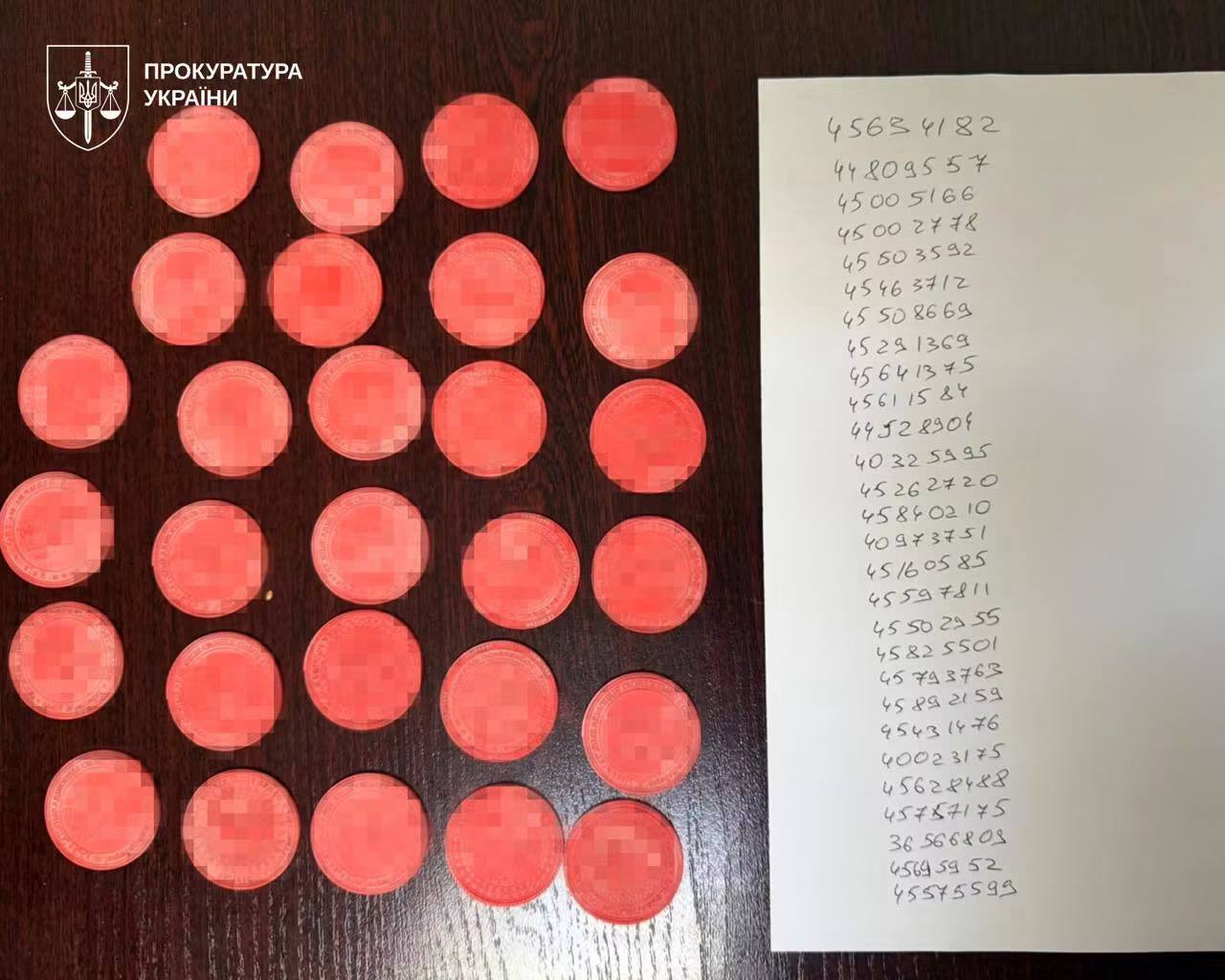
All of the scammers’ computer and mobile equipment (iPhone 11, laptops and other smartphones), as well as numerous bank and SIM cards, have been confiscated for the state or will be destroyed.






 Telegram publication