
 Back
Back

Automatically translated version. May contain inaccuracies compared to the original.
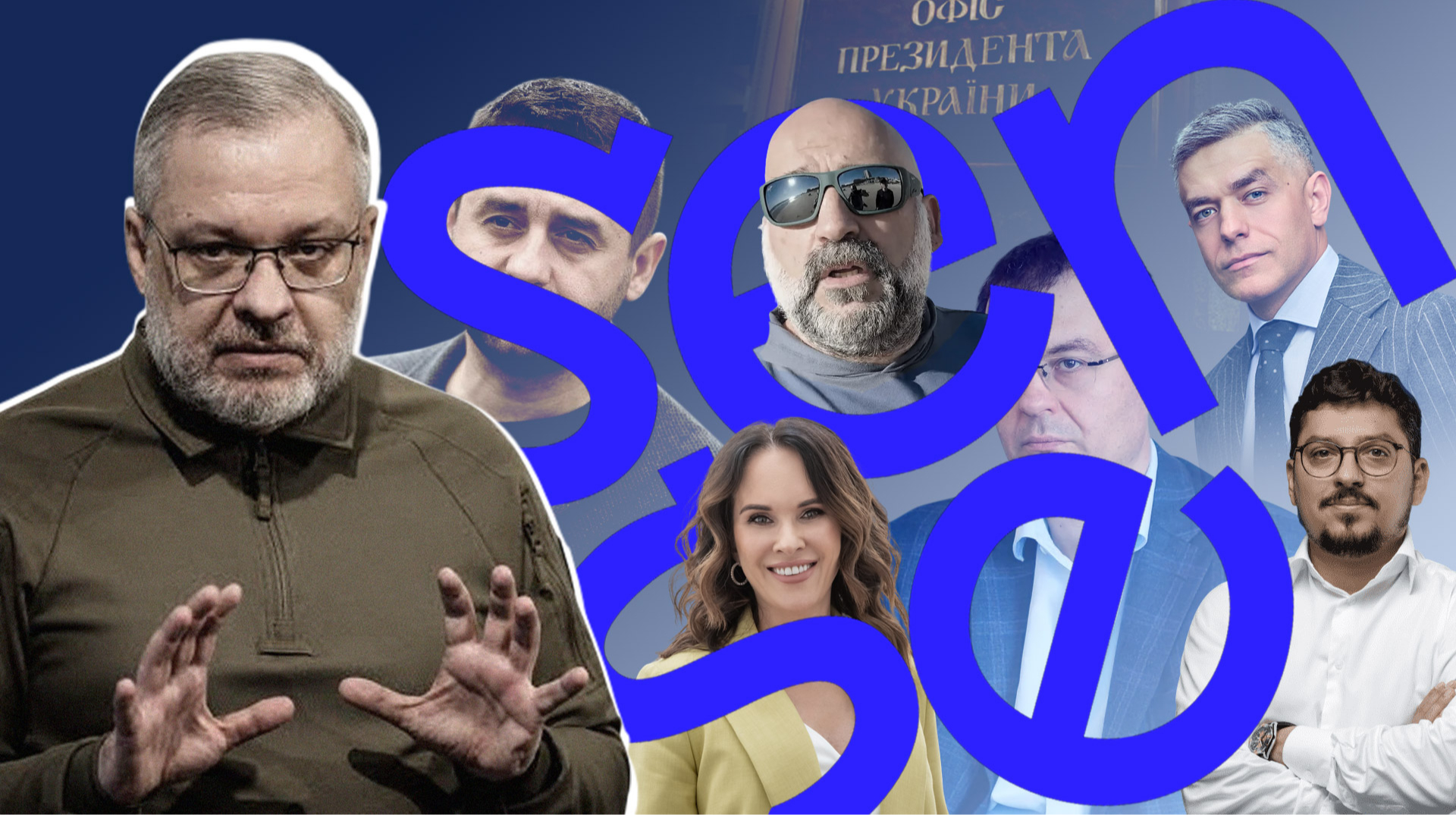
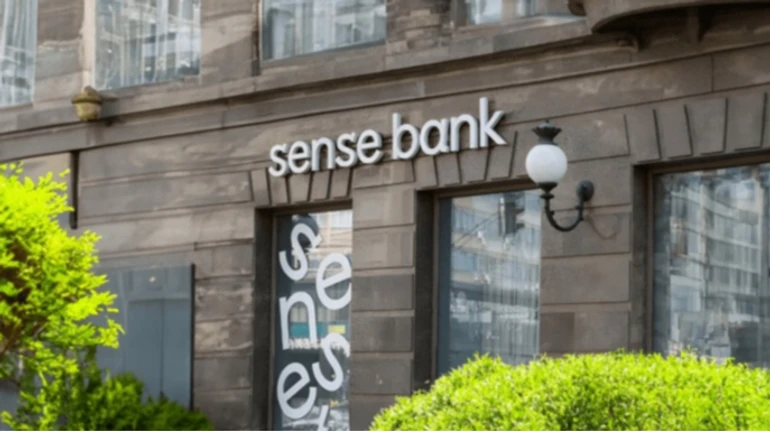
Arakhamia and Mindich are fighting for control of the state-owned “Sens Bank,” because significant financial flows pass through it, including funds from the gambling business. The same financial infrastructure was used for transactions with the funds used to post a 200 million UAH bail for former minister Galushchenko in the NABU case. Separately, the bank was used to move 38,48 million dollars to foreign companies. Therefore, control of “Sens Bank” gives control over channels of money movement that are used to service the gambling business and to carry out other large financial operations.

After the nationalization of “Sens Bank,” the state became its owner, yet the struggle for actual influence over the institution did not end. In 2024–2025 years, the bank’s management configuration showed the influence of Mindich, Oleksandr Tsukerman, and Vasyl Vesely, with Vesely receiving nearly 1,96 million UAH for consulting services to the Supervisory Board and taking part in its formation. At the same time, another center of influence emerged — the group of Davyd Arakhamia, which began to claim its own control over the bank. As a result, the state banking institution turned into a battleground between groups for whom control of the bank means control of its financial flows.
It is at this stage that Volodymyr Kraytor enters the internal struggle — head of Sens Bank’s internal security unit and a former SBU officer.
In February–March of 2026 he repeatedly met with Supervisory Board chair Mykola Hladyshchenko, representing the interests of Arakhamia’s partners. Kraytor presented documents alleging financial abuses by the bank’s management, including CEO Andriy Stupak, and tried to persuade the institution’s leadership to cooperate with Arakhamia’s group. After Hladyshchenko and Stupak refused, Mindich became involved, and through him the bank’s leadership appealed to the Office of the President to counter the pressure from the other group.
Thus, at least two competing centers of influence formed inside Sens Bank — Mindich and Vesely’s group on one side and Arakhamia’s group on the other. While the first already had influence over the bank’s personnel decisions, the second tried to obtain its own “protection” and establish itself in the institution’s management. Against this backdrop, the role of Yurii Danylychenko, director of Sens Bank’s Security Department, a former prosecutor of Kharkiv region and a person linked to Dmytro Firtash, is particularly important. It is Danylychenko who, in 2025–2026 years, coordinated the bank’s dealings with the gambling business and the concealment of financial schemes, using his extensive contacts in the law enforcement system.
Here the main financial interest appears — the gambling business. In 2024–2025 years, large payments from this market passed through “Sens Bank,” including online casino transactions, and the bank effectively serviced a significant portion of the gambling segment. The share of the illegal market was estimated at 39–53%, so control of the bank means control of the financial infrastructure through which huge sums flow. That is why the struggle for “Sens Bank” costs far more than mere control of a single state institution.
At the same time, the bank’s problems with financial monitoring existed long before the Galushchenko bail story.
The NBU applied measures to “Sens Bank” for inadequate customer due diligence, problems with a risk-oriented approach, and organization of financial monitoring. At the same time, transactions involving the transit and movement of funds, including to foreign companies, passed through the bank, and now law enforcement’s attention is again focused on transactions involving large sums. Against this backdrop, it is particularly telling that the bank is undergoing destruction of documentation and a cleanup of its computer network — correspondence, letters, directives, and other internal information that may contain traces of financial decision-making.
And here the main question about the current NABU story arises: why in the episode involving 200 million UAH the attention is focused on the operation related to Galushchenko’s bail, while the people who control the banking infrastructure and set its day-to-day rules are effectively not visible. Where in this story is Vesely, who actually exerts influence over the bank, where is Danylychenko, who is responsible for security and interaction with law enforcement, and where are the issues of servicing the gambling business. It appears the problem is not being solved — Sens Bank is simply being fought over by two influence groups, each seeking control of the financial flows.
Everything is obvious: neither the regulators nor the law enforcement officers intend to stop these schemes, because everyone lives off kickbacks. How else to explain the fact that we filed 2 complaints, 3 grievances and information requests with clear demands: establish the grounds and lawfulness of financial operations carried out through “Sens Bank,” check the activities of the bank’s officials regarding servicing the gambling business, verify transactions moving funds to foreign companies totaling 38,48 million dollars, identify the persons who initiated, approved, and ensured those transactions, and check facts of possible destruction of bank documentation and information from computer systems. However, law enforcement, as always, leaked everything.
So the main question remains simple: how much longer will the state-owned “Sens Bank” be a bargaining chip in Mindich’s and Arakhamia’s fight for control of financial flows? How much longer will one group try to push the other out of the bank, controlling gambling-business operations and the movement of billions in funds? And who will ultimately gain control of “Sens Bank” — Mindich and Vesely’s group or Arakhamia and his circle?
Document: PDF proof of the original version of the news item "Міндіч і Арахамія ведуть боротьбу за контроль над державним “Сенс Банком” руками НАБУ". It records the publication content at the moment of the first scan, the preservation date and the source: NGO "NON-STOP".



