Back
100

 Media activity score based on the number of recorded publication changes.
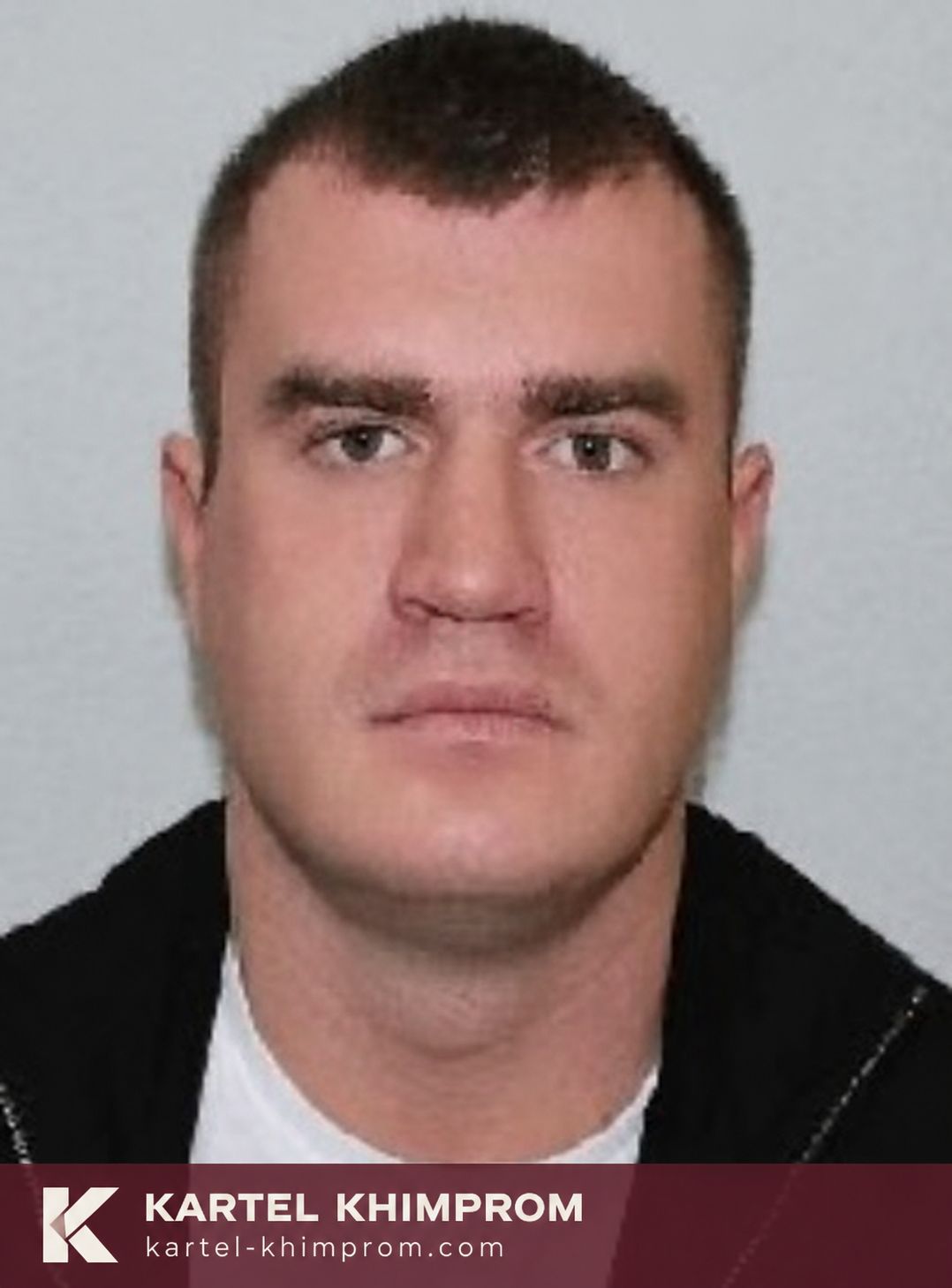
Three-time convicted 'shadow minister' in uniform: how a native of Zhytomyr region pulled the Security Service of Ukraine under his wing
Andriy Osipov — previously three-time convicted for robbery, car theft, and hooliganism, a criminal authority whose figure at the beginning of November 2026 found itself at the epicenter of the largest geopolitical and anti-corruption earthquake in modern Ukrainian history. Born in Korostyshiv district, Zhytomyr region, Osipov managed to convert long-standing local connections with the top generals of the security services into unprecedented corrupt influence. Instead of serving another prison term, this man effectively transformed into the shadow curator of personnel appointments and strategic decisions in the most influential offices of the Security Service of Ukraine. His untouchable status allowed him to openly use operational IDs, cover license plates, and SBU special vehicles, acting as the main liaison between the top echelons of the state security bloc and the transnational underground.
The 'Carthage' case, extortion of one million dollars, and an unlocked phone that leaked the entire security service
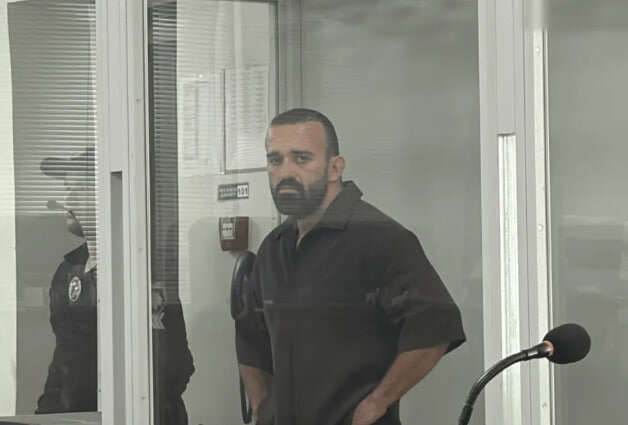
The real collapse of the "Criminal" corruption empire began in summer 2026, when the National Anti-Corruption Bureau of Ukraine (NABU) and the Specialized Anti-Corruption Prosecutor's Office (SAPO) detained Osipov for extorting 1 million dollars in bribes from a Russian citizen for the "guarantee" of avoiding extradition and shielding from criminal prosecution. The High Anti-Corruption Court decisively sent the authority to pre-trial detention, but the main shock of the "Carthage" operation erupted in November: detectives managed to fully unlock Osipov's phone. The content of his messages and audio recordings became the basis for conducting over 70 large-scale searches across the country and issuing official suspicions to top officials, among them SBU General Serhiy Duka and the leadership of the National Police. Intercepted recordings revealed shocking details of the group's activities under Osipov's patronage: from large-scale "covering" of illegal fraudulent call centers and drug labs of the U420 network to printing fake euros and cynical discussions of revenge plans—including an acid attack on journalist Denys Bihus.

Head of the Odesa Military-Civil Administration

Senior Officer of the Main Directorate "D" (Counterintelligence) of the Security Service

Military officer, intelligence officer, SBU Brigadier General

First Deputy Head of the SBU

Police Colonel, career operative
 Scanned

 Scanned
 Scanned
 Scanned

 Scanned

 Scanned