 Back
Back
99
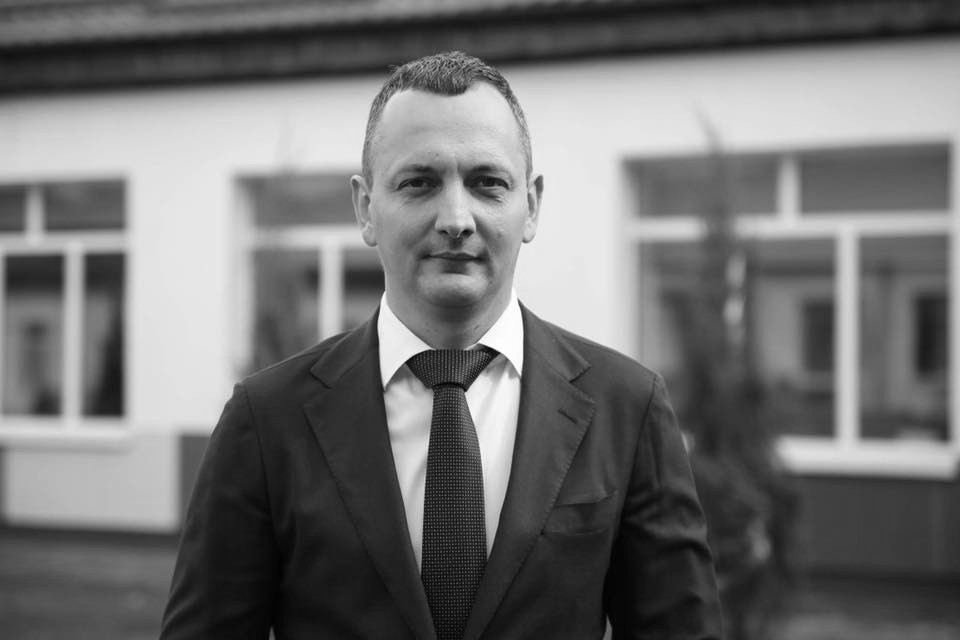
Holyk Yuriy Yuriyovych
Entrepreneur

 Media activity score based on the number of recorded publication changes.
OLEKSANDR TISLENKO: ROAD CORRUPTOR WHO PROFITED FROM OCCUPIED LAND
Billions from the state budget, bribes through an intermediary in Poland, and money for "road repairs" already under Russian control
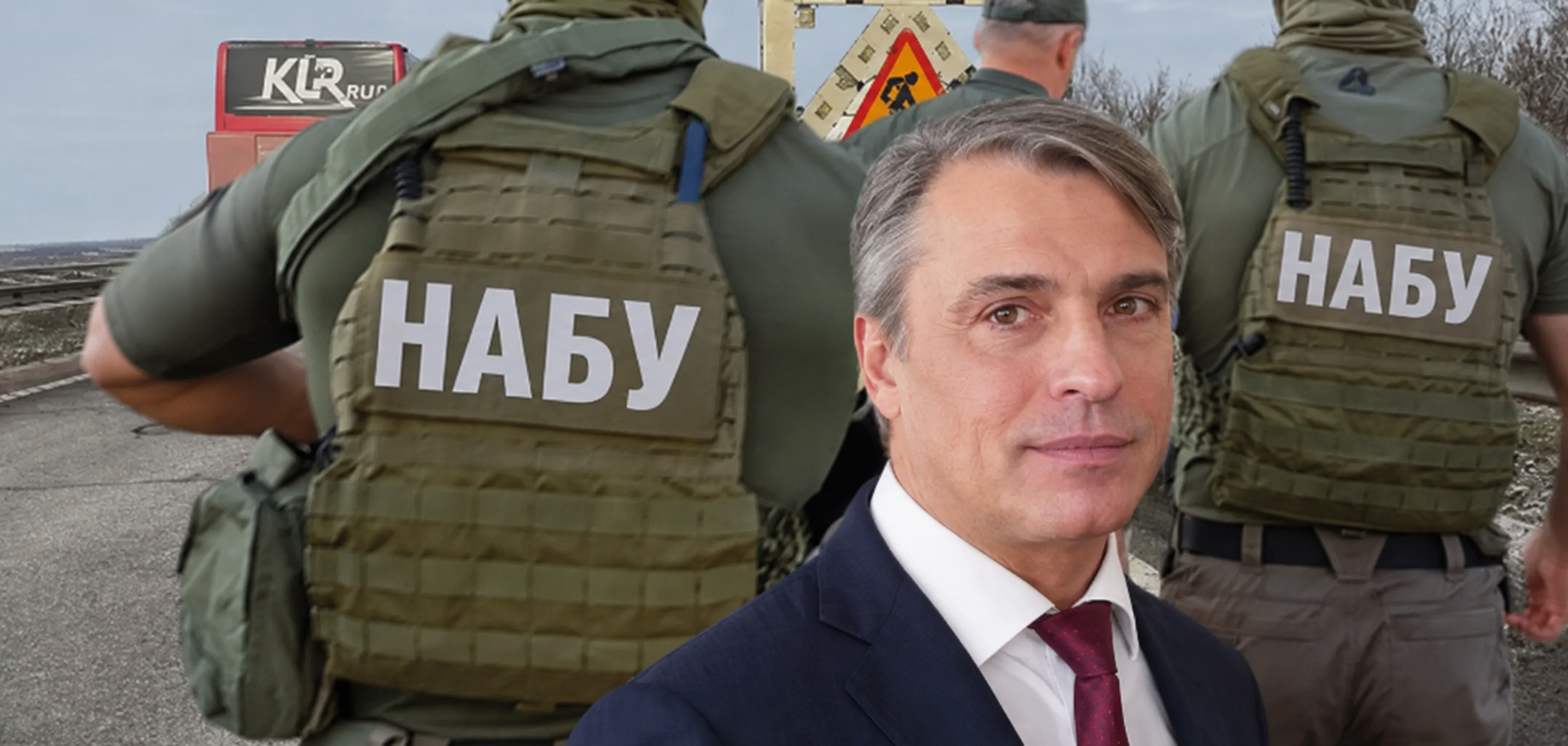
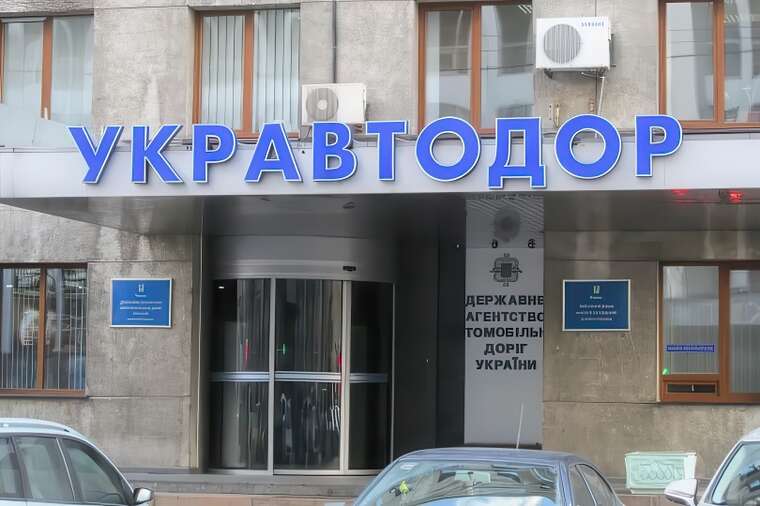
On April 13, 2021, the NABU and SAP notified Tislenko of suspicion of giving undue advantage to the former head of Ukravtodor, Polish national Sławomir Nowak. According to the investigation, Tislenko personally and through controlled individuals systematically gave bribes as a "subscription fee" to the management of Ukravtodor. This "subscription fee" included not only market entry but also extensions of work deadlines, overlooking violations, and the ability to avoid paying fines. The total bribe amount, according to NABU, was $600,000.
The investigation established that bribes were transferred through an intermediary—a businessman from Gdansk, Jacek Paluch, an acquaintance of the former head of Ukravtodor. NABU, together with Poland's Central Anti-Corruption Bureau, detained Nowak and Paluch. After the detention, Paluch testified about his role as an intermediary between the head of Ukravtodor and the owner of Altkom. An international-level scheme—the bribes crossed borders while roads in Ukraine were deteriorating.
After the occupation of part of Zaporizhia region, Tislenko obtained more than 350 million UAH via court for road repairs in a settlement already seized by Russians. The work was supposedly carried out on the eve of the full-scale war—however, verification is impossible. A perfect scheme: money received, contract "performed somewhere there," no one can check—it’s occupied territory.
Altkom was part of the "golden" pool of six companies controlling 65% of all Ukravtodor contracts. In recent years, the company has received state contracts totaling more than 5 billion UAH. The High Anti-Corruption Court has been reviewing the case for years—while the business continued to obtain new contracts. The system works. The money flows. The verdict—awaits.
Entrepreneur
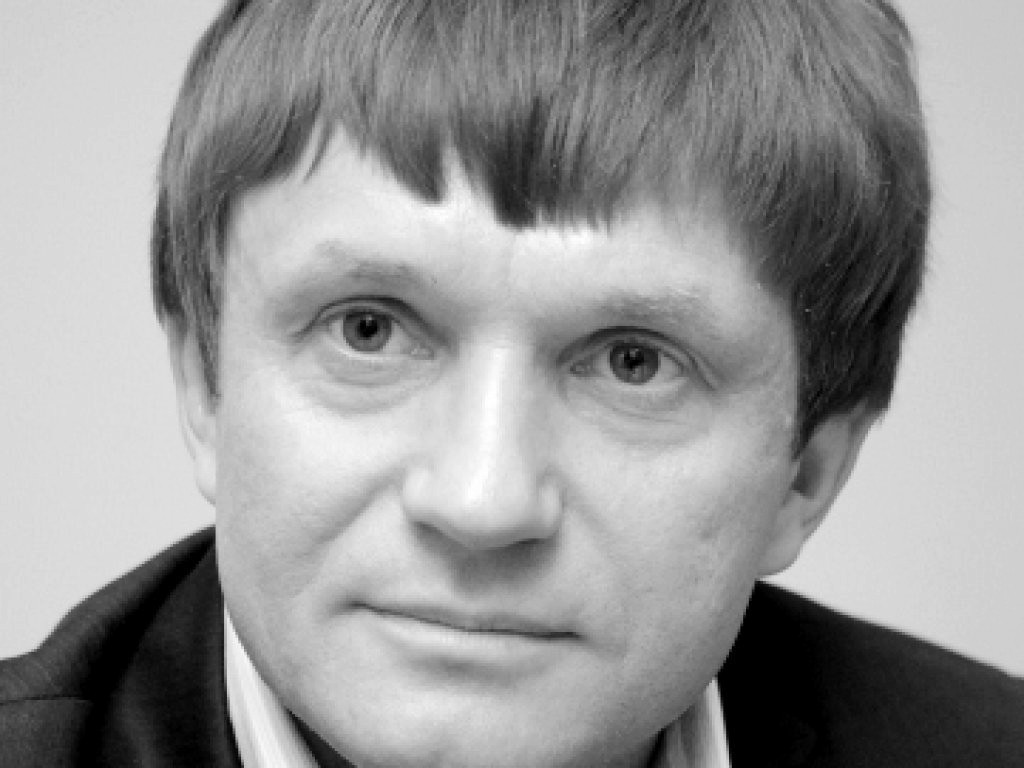
Businessman, politician
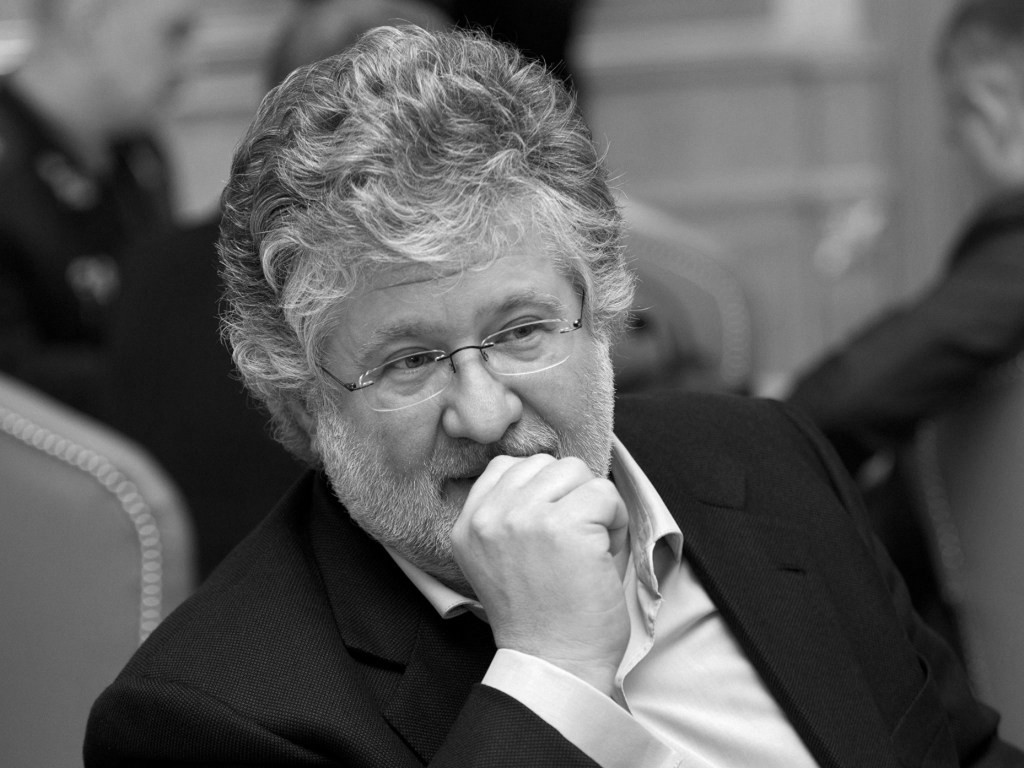
Businessman, politician
politician
politician
People's Deputy
 Scanned
 Scanned
 Scanned
 Scanned
 Scanned

 Scanned
