 Back
Back
Automatically translated version. May contain inaccuracies compared to the original.
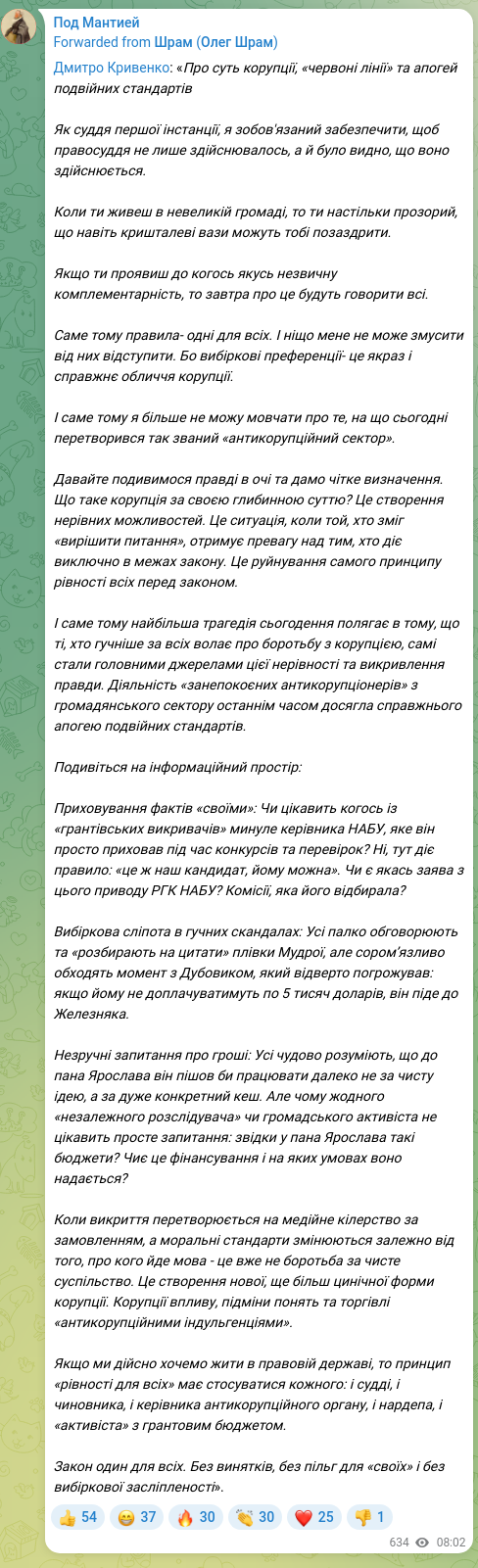
Dmytro Kryvenko: “On the Essence of Corruption, ‘Red Lines,’ and the Apex of Double Standards”
As a trial judge, I am obliged to ensure that justice is not only administered but that it is visible that it is being administered.
When you live in a small community, you are so transparent that even crystal vases might envy you.
If you show someone any unusual favor, tomorrow everyone will be talking about it.
That is precisely why the rules are the same for everyone. And nothing can make me deviate from them. Selective preferences are exactly the true face of corruption.
And that is why I can no longer remain silent about what the so‑called “anti‑corruption sector” has turned into today.
Let’s face the truth and give a clear definition. What is corruption in its deep essence? It is the creation of unequal opportunities. It is a situation where the person who managed to “resolve the issue” gains an advantage over the one who acts strictly within the law. It is the destruction of the very principle of equality before the law.
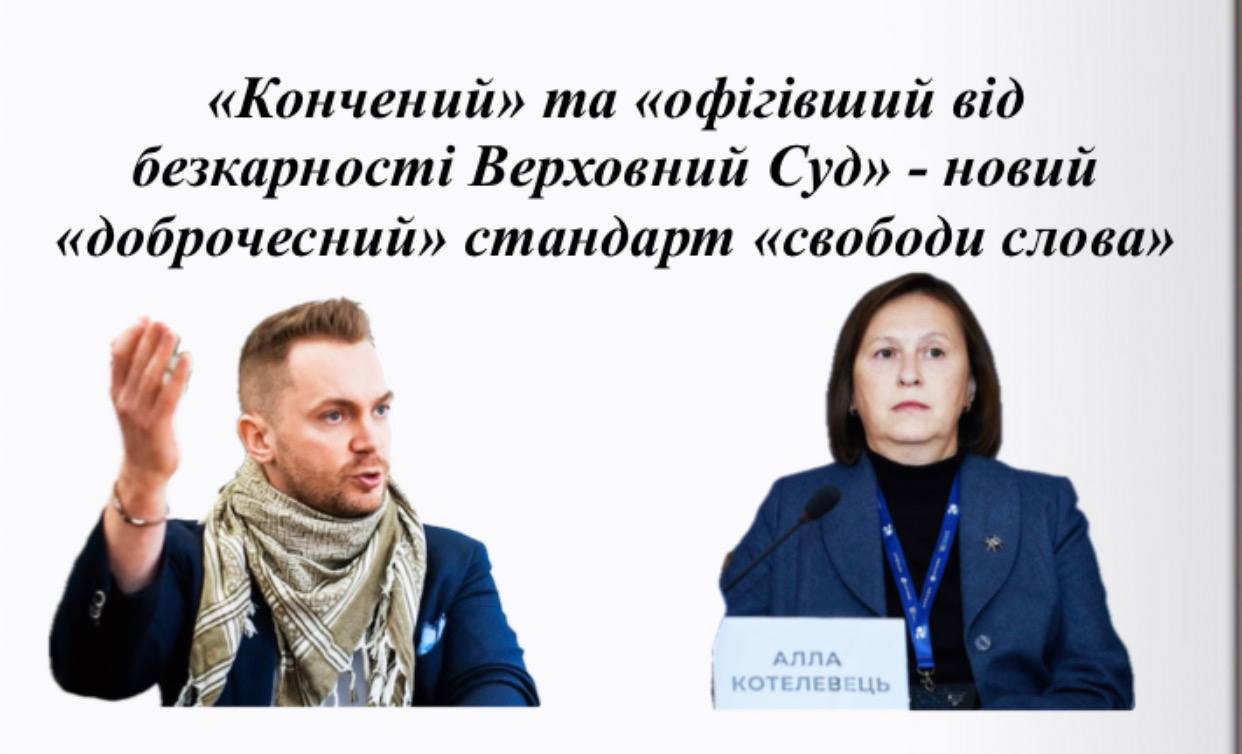
And that is why the greatest tragedy of our time is that those who shout the loudest about fighting corruption have themselves become the main sources of this inequality and distortion of the truth. The activity of the “concerned anti‑corruption activists” from the civic sector has recently reached a true apex of double standards.
Look at the information space:
Concealment of facts by “their own”: Does any of the “grant‑funded exposers” care about the past of the NABU head, which he simply concealed during competitions and vetting? No, here operates the rule: “he’s our candidate, he’s allowed.” Is there any statement about this from the NABU HACC? From the commission that selected him?
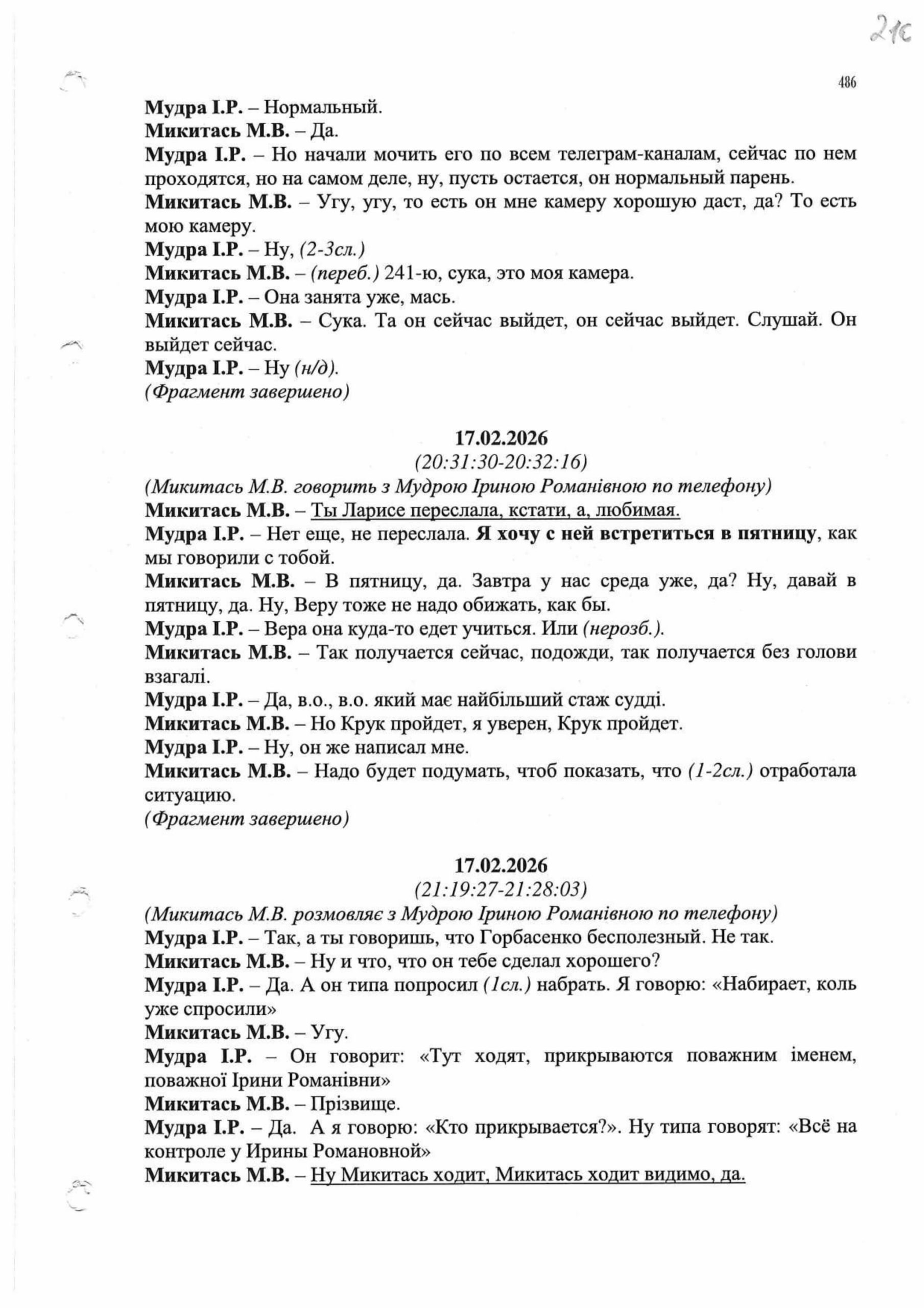
Selective blindness in high‑profile scandals: Everyone passionately discusses and “quotes” Mudra’s tapes, but they bashfully avoid the moment with Dubovyk, who openly threatened: if he isn’t paid an extra 5 thousand dollars, he will go to Zhelezniak.
Uncomfortable questions about money: Everyone perfectly understands that Mr. Yaroslav would not go to work for purely idealistic reasons, but for very concrete cash. So why does no “independent investigator” or civic activist ask the simple question: where does Mr. Yaroslav get such budgets? Whose funding is this and on what terms is it provided?
When exposés turn into media executions ordered by others, and moral standards change depending on who is being discussed, this is no longer a fight for a clean society. It is the creation of a new, even more cynical form of corruption: corruption of influence, substitution of concepts, and the trade in “anti‑corruption indulgences.”
If we truly want to live in a rule‑of‑law state, then the principle of “equality for all” must apply to everyone: judges, officials, heads of anti‑corruption agencies, members of parliament, and “activists” with grant budgets.
The law is one for all. No exceptions, no privileges for “our own,” and no selective blindness.”






 Telegram publication