 Back
96

Shevchenko Kirill Yevhenovych
Banker, financier

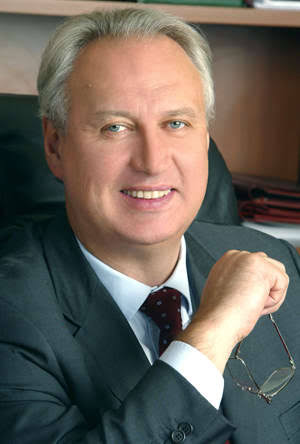
 Media activity score based on the number of recorded publication changes.
Legend of the State Apparatus and Shadow Patriarch of "Crystalbank": From Leading Naftogaz to Private Banking Vault
Vadym Anatoliyovych Kopylov (68 years old) is one of the most influential officials of the "old guard" of Ukrainian politics with many years of managerial experience. During his extensive career, he served as First Deputy Minister of Finance, Head of the State Tax Service, Chairman of the Board of NJSC Naftogaz of Ukraine (2000-2002), and even acting Minister of Economic Development and Trade. After leaving public service, Kopylov, together with his wife Maryna Lening, acquired the assets of the bankrupt Terra Bank, on the basis of which JSC Crystalbank was established in December 2014. Currently, his family officially owns 50% of the bank's shares (through Maryna Lening), while Kopylov himself continuously chairs the bank's Supervisory Board, turning it into a family financial hub.
Swiss Money Laundering Channel, NBU Claims, and Crypto Schemes Amid Million-Dollar Losses
Despite Kopylov's respectable status, the Crystalbank he managed became the center of an international financial investigation in autumn 2026. Journalists accused the bank's leadership of creating a "green corridor" for cross-border capital outflow from Ukraine to Switzerland in the interests of businessmen Dmytro Ryvkin and Anton Skorobohatov. Through Kopylov's financial institution, million-dollar flows of affiliated companies (including KOOPERANT EUROPEJSKI and Supply Chain Finance) were processed, converted into currency, transferred to accounts of Swiss Done Switzerland AG, and later converted into 1.52 million crypto-dollars (USDT) to increase the capital of the European firm. All this occurred against the backdrop of the National Bank of Ukraine (NBU) repeatedly imposing sanctions on the bank for severe violations of financial monitoring. Besides the reputational damage, analysts highlight the deep financial crisis facing Kopylov’s bank: the institution incurred losses exceeding 43 million hryvnias, and its operating expenses significantly exceeded income.
Banker, financier

Financier, investor, and IT entrepreneur
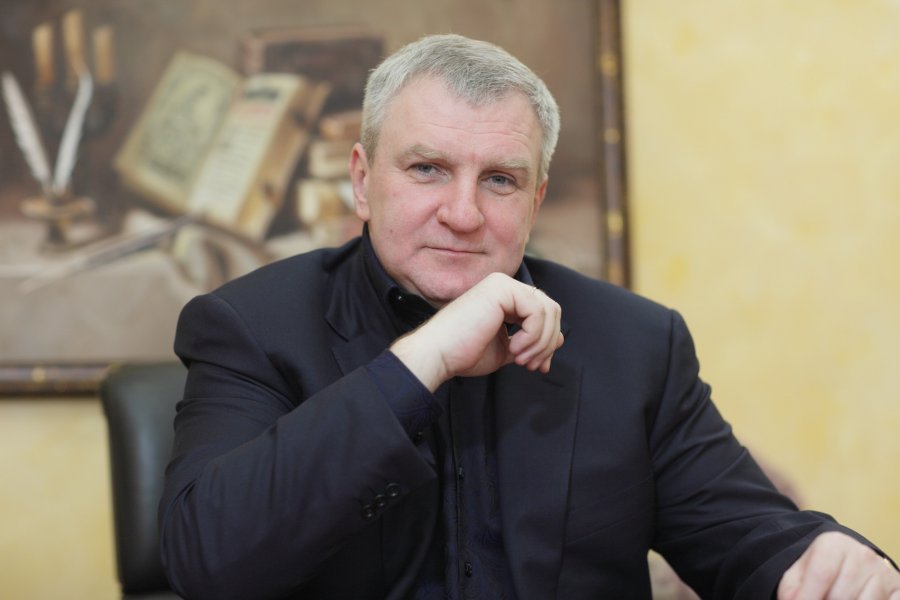
Banker, Head of Crystalbank

Businesswoman

Politician, businessman

IT entrepreneur and financier
 Deleted

 Deleted

 Edited
Telegram publication

 Deleted

 Deleted

 Scanned



 Telegram publication
